On a full SMT line, the Incoterm debate is about a container. On a spare-parts order it is about a carton — which is why buyers stop thinking about it, and why the surprise at the destination port is proportionally larger.
The 60-second version
| Term | Books freight | Insures cargo | Risk passes to buyer | Import clearance & duty |
|---|---|---|---|---|
| FOB | Buyer | Buyer | When goods are loaded at origin port | Buyer |
| CIF | Seller | Seller (minimum cover) | At origin port, even though freight is paid to destination | Buyer |
| DDP | Seller | Seller | On delivery at your door | Seller (incl. duty & tax) |
| EXW | Buyer | Buyer | At the seller’s premises | Buyer |
FOB — cheapest landed cost, most involvement
Under FOB the seller delivers the goods, export-cleared, onto the vessel you book. From that point freight, insurance and risk are yours. For a regular spare-parts importer with a trusted forwarder this is almost always the lowest total cost, because you can consolidate multiple small shipments and shop the rate.
What it costs you is administrative work: booking, documentation, destination charges — and demurrage if a container waits at port because the paperwork was not ready.
CIF — the seller ships it, you clear it
Under CIF the seller books the vessel and pays freight and insurance to your port. You handle import clearance, duty and final delivery. Two details first-time importers miss:
- CIF insurance is the legal minimum — Institute Cargo Clauses (C), typically around 110% of invoice value. That cover excludes a long list of perils that matter for precision parts.
- Risk passes to you at the origin port even though the seller paid the freight. If the vessel is lost mid-voyage you are claiming on a policy the seller arranged, at a cover level you did not choose.
For tight-tolerance parts, upgrading the cover is usually worth more than the premium difference.
DDP — the seller carries everything
Under DDP the seller delivers to your door with duty and taxes paid. For spare parts this is often the right answer: the consignment is small, the customs formalities cost more in your staff time than the duty itself, and you get a single landed number to budget against.
The catch is that DDP requires the seller to be competent at destination clearance in your country. Ask which broker they use, what the transit time actually is, and whether the quoted price includes import VAT or duty that you can recover. A DDP quote that turns out to exclude VAT is not a DDP quote.
What we usually recommend
- Urgent line-down orders, small weight: courier DDP. Fastest, one number, no customs work on your side.
- Regular monthly replenishment, medium weight: FOB with your own forwarder, consolidated. Lowest cost if you have the process.
- First order from a new supplier: DDP. You learn how they pack and document before you take on the port formalities yourself.
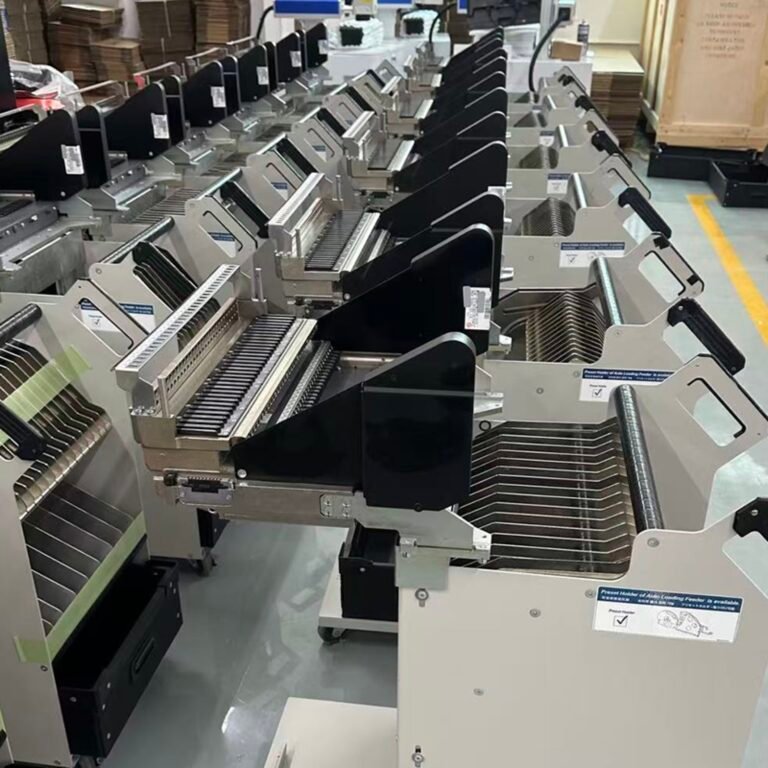
- Full feeder or nozzle kit, pallet-weight: CIF or FOB sea, with upgraded insurance.
Documents that should arrive with every shipment
Whatever the term, a spare-parts shipment is only complete with a commercial invoice, a packing list that ties line-by-line to the invoice, the part-number cross-reference sheet, and any test or verification record. Tuck those into the same envelope as the parts — chasing them three weeks later is how warranty claims fail.